

Every product has packaging, from laptops and fridges to garden tools and cleaning products. All these pieces of packaging don’t happen by accident – they are all carefully designed to be aesthetically pleasing, practical and include all vital product info. Packaging could be the first introduction people have to your product, so it needs to convey what it is and appeal to the target market right away. Many products need to fit neatly on a shelf in a store or be shipped in a crate or a pallet, so all these things need to be considered during the design process. This guide can show you how to design your own good-looking, functional and on-brand packaging.
[1] What Kind Of Packaging Does Your Product Need?
This is the first step in packaging design and will inform the entire process. What does the packaging need to do? Is your product fragile, liquid, a food item, or something else? What kind of packaging does it need to protect the product? It could be packaged in a bag, a box, a tub, a tube, or something else. Some products even have inner and outer packaging, so you will need to design both. Say, for example, you are designing perfume packaging. The product will have the inner packaging, i.e. the bottle, and outer packaging, such as a box. Both need to be on-brand and complement one another. The box will help to protect the inner packaging and could include extra product information. If the inner bottle is made of glass, consider how thick the outer box should be to protect it from breakage.

[2] Who is the Target Audience for your Product?
Consider who you are appealing to when you design your product packaging. Is your product for kids aged 10-13, stay-at-home parents, retired men, or another demographic? Think about your target audience and what’s important to them when designing your product. Take the time to make some customer personas to further delve into your target audience and what their needs and preferences are.

[3] Do Some Market Research
Take a look at your competitors’ product packaging and think about what works or doesn’t work for them. Do they have a style you want to emulate, or should your product stand out and look completely different? Depending on the product, there could be restrictions as to what kind of packaging you can use. Consider how the product will be stored, shipped and displayed and make sure your design is practical for this. If you are selling drinks, chances are the product packaging will be a bottle, a carton or a can, so choose one or more of these as a template to start working on your design.

[4] Start Planning Your Design
Once you have an idea of what kind of packaging you need to create, you can start working on a design. There are plenty of free tools you can use to start planning your design. Canva is a great online design tool that has several templates you can use as a basis for your packaging. When you design your product packaging, remember to allow for some negative space to avoid it looking overcrowded, keep the design on-brand so it’s easily recognisable – refer to your brand kit for guidance, and consider how the product will be displayed on shelves – is all vital information on the front of the product? Do you need to include a barcode or space for a batch number and best-before date? Take all these things into consideration.
[5] Make Some Mockups of Your Design
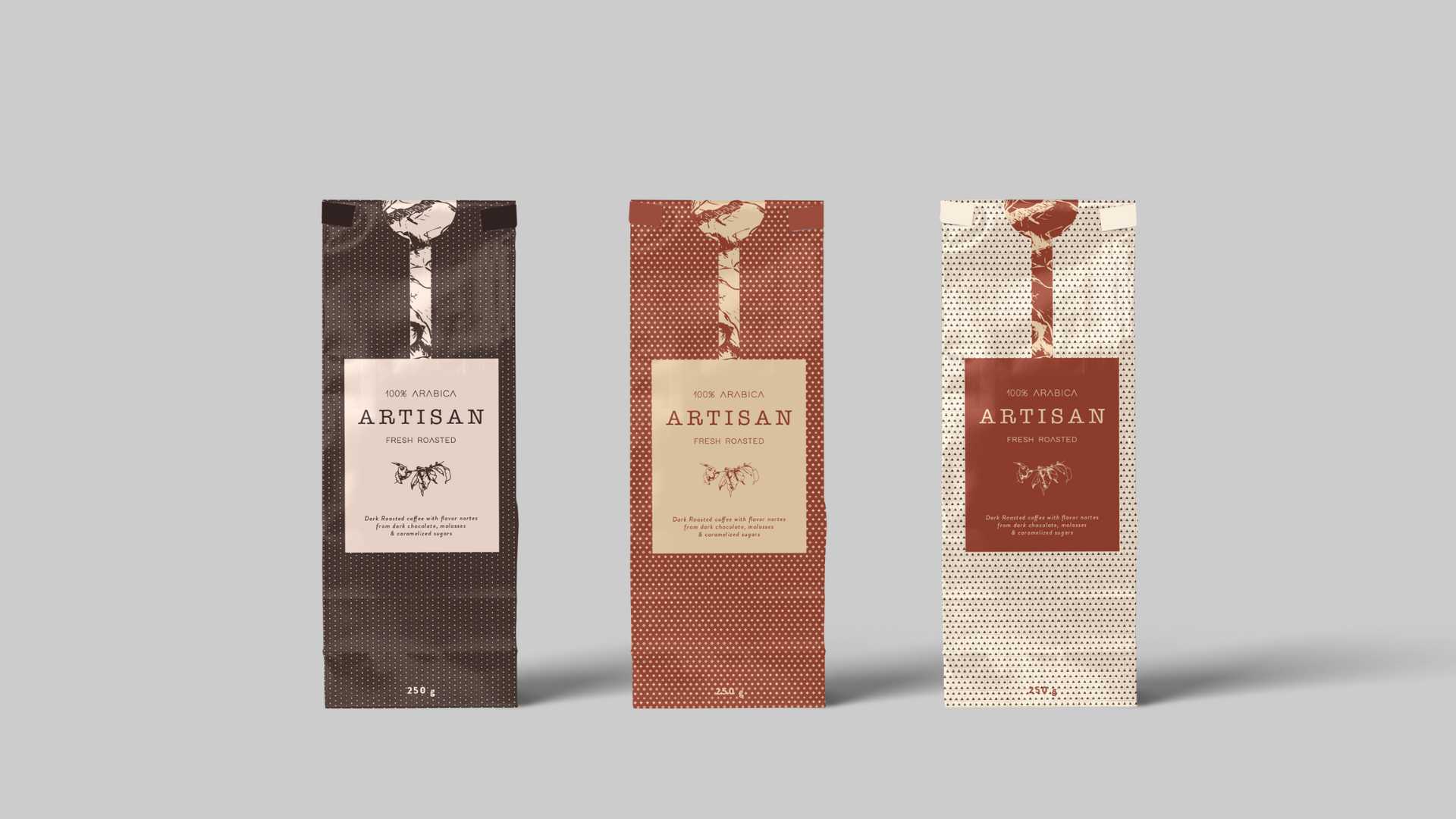
It’s time to make some mockups of your packaging design! This means making a virtual version of your packaging design in different locations so you can get a feel of how it could look in real life. Canva has some free mockup tools, although there are others available online depending on your preferences. If you are using Adobe software to create your packaging design, there are plenty of .pds files you can download for free to use for your design. Mockups-design.com has a great range of .psd files that are all free to download and use. Pacdora has a free online mockup tool that is simple to use – just choose the type of mockup you want and upload your design.
[6] Choose your Packaging Materials
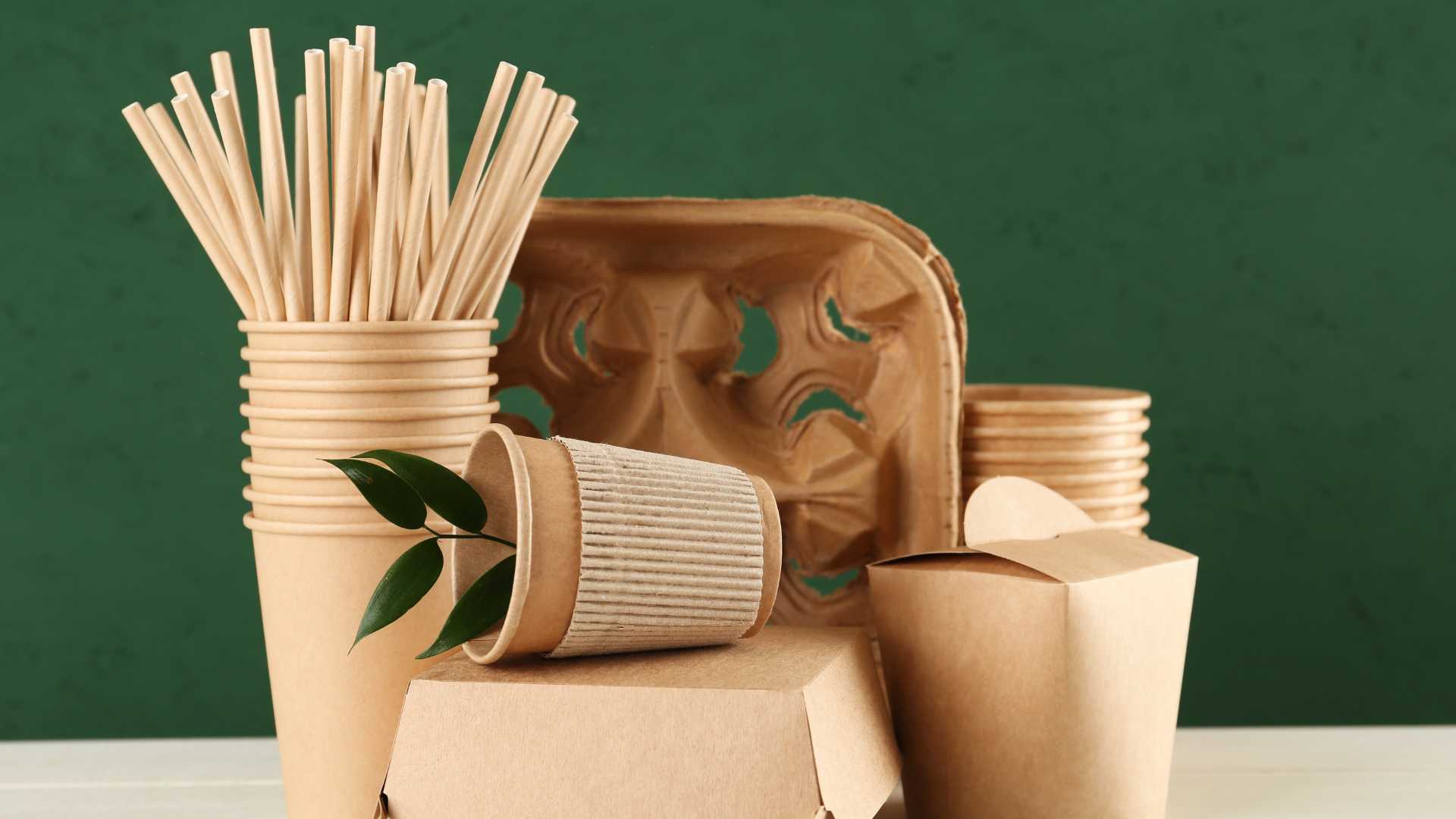
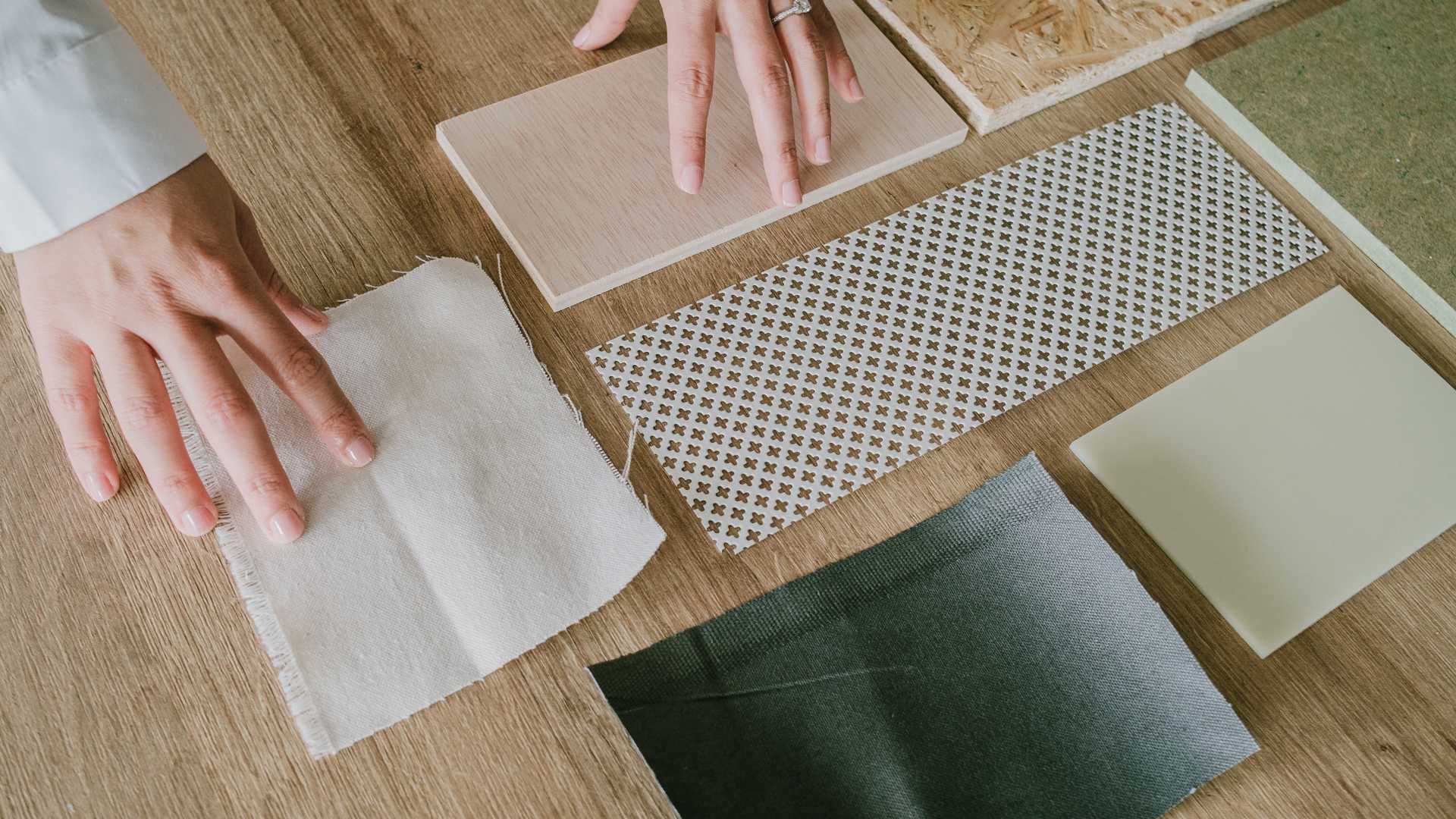
The material you choose for your packaging is just as important as the design itself. The wrong material can make your product look bad or even completely fail to hold the product and keep it secure. Is your product a food item? The packaging materials need to be food-safe. Is your product a liquid? Then obviously, the packaging should be watertight and not leak. You should also consider what happens to the packaging once the product has been unwrapped or used. Having recyclable or reusable packaging is increasingly more and more important and a vital PR move – you don’t want to be the brand that doesn’t bother to use recyclable packaging. Materials can make all the difference to your branding, too. A cardboard box has a completely different look and feel from plastic packaging – same with plastic containers or glass bottles and jars. Of course, glass is heavier and more fragile, so factor this into your design if you are using glass.
[7] How Much Does Your Product Cost?
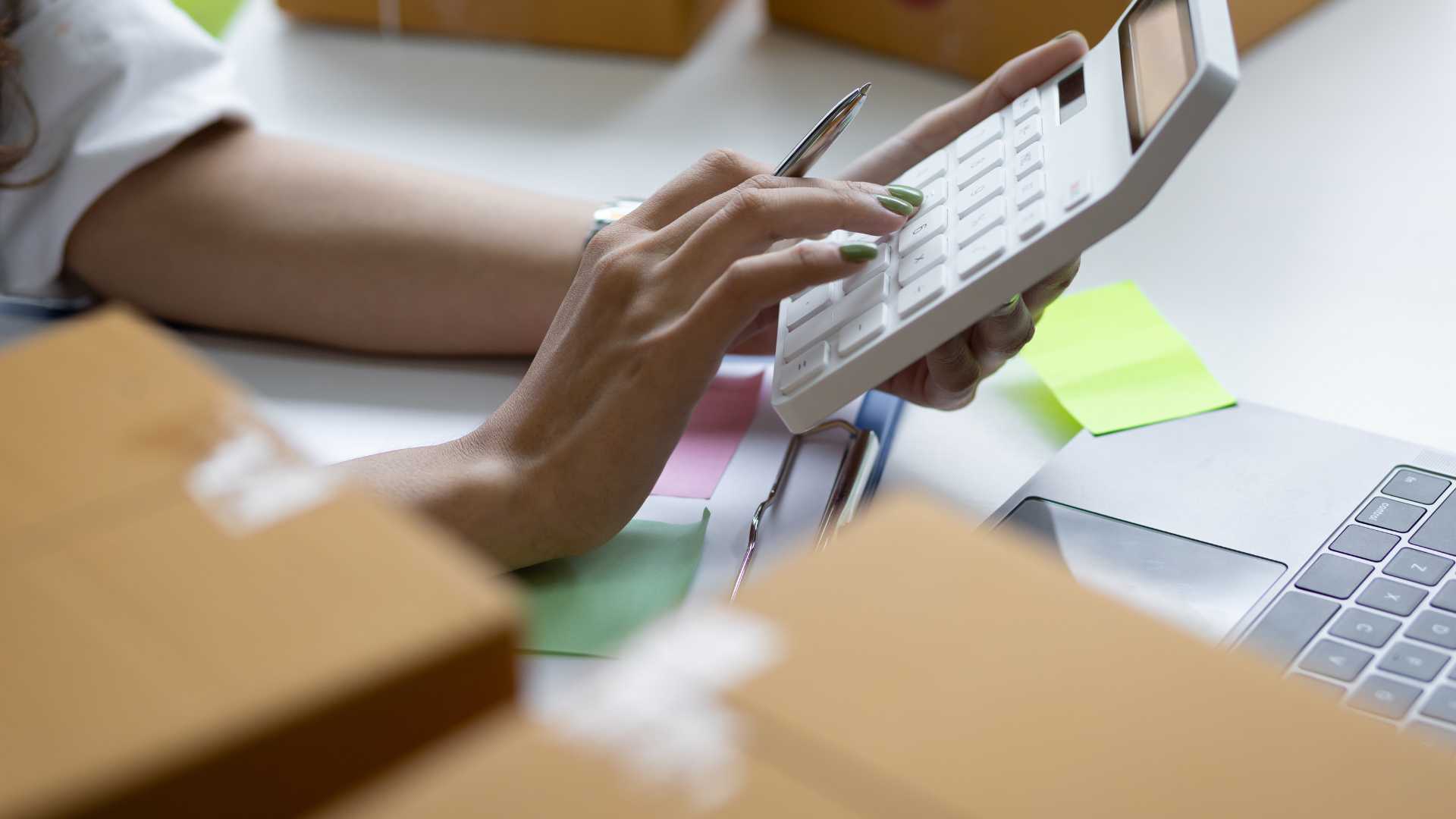
The budget and price point of your product can make a huge difference to your choice of packaging. Budget items often have minimal packaging and are made of cheaper materials, whereas higher-end, luxury items may have more substantial packaging. Consider how much the packaging will cost and factor this into your final selling price.
[8] Creating a Prototype
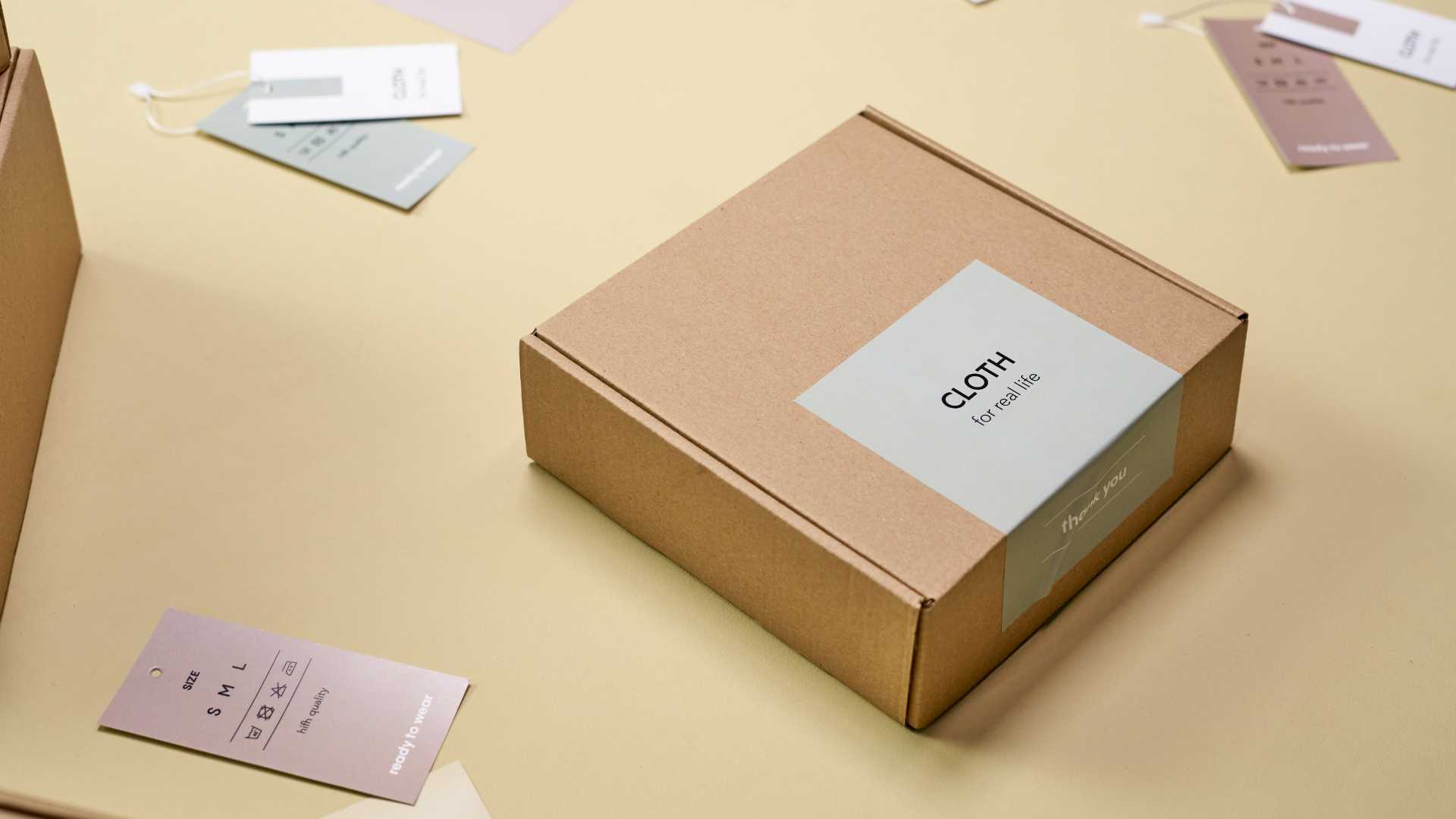
It’s time to see your product packaging in real life! You will likely need the services of a printing company, unless your packaging is paper or cardboard and you are lucky enough to have a printer that is good enough to print a high-quality packaging design. Depending on the materials you are using, a specialist printer may be required – contact a few different printing businesses to get quotes and samples to find the best one for you.

[9] Further Testing and Research
Once your prototype has been created, you can think about what the product would look like in stores, in people’s houses, in use, and more. How does it compare to similar products? Is the packaging practical? Is the design versatile enough that it can be easily redesigned for different iterations of the product, e.g. different flavours or colours? This can help you further refine the design. Show the prototype to other people in your business, stakeholders, and people who have never seen it before, to get their feedback. This will give you valuable insights into ways you could improve the product design. Don’t be afraid to go back to the drawing board and create a whole new design based on the prototype feedback. This is a time for experimentation, so don’t get too precious about your first design; it could be that you go through several iterations until you reach the perfect product packaging.
If you would like some help in creating the perfect packaging design for your products, get in touch with us here at Identity Agency for a chat to discuss your needs.


Related articles:
Discover more from Identity Agency with related posts that offer valuable insights, tips, and industry trends to keep you inspired and informed.